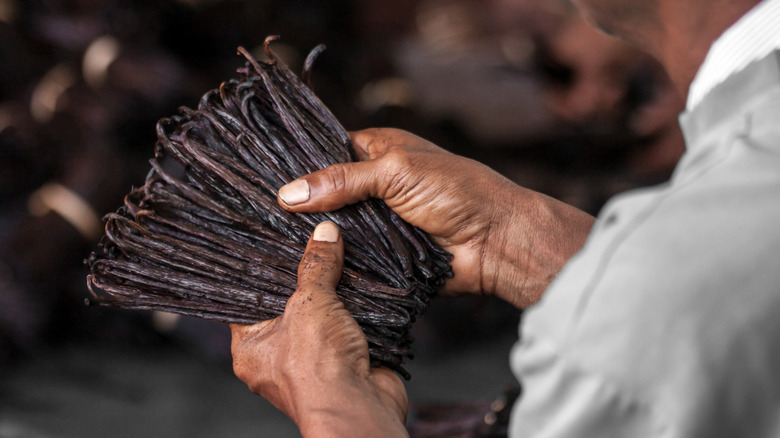
Vanilla is one of the world’s most valued natural flavoring ingredients, appreciated for its creamy aroma, warm sweetness, and versatility. From premium desserts to beverages, confectionery, dairy products, fragrances, and extracts, quality vanilla can influence both the sensory profile and consistency of a finished product. For manufacturers, distributors, retailers, and food businesses, choosing the right vanilla exporter is therefore an important sourcing decision.
Madagascar has a strong reputation for Bourbon vanilla, particularly from the northeastern SAVA region. The crop is carefully cultivated, pollinated, harvested, cured, sorted, and prepared for international markets. Robust Madagascar works with local smallholder farmers and focuses on sourcing premium food products while supporting sustainable agriculture and local communities. This approach connects buyers with the origin of the product and helps create a more transparent supply chain.
Understanding Madagascar Vanilla and Its Distinctive Character
Madagascar Bourbon vanilla is valued for its rich, creamy, sweet, floral, fruity, and slightly nutty character. Its naturally prominent vanillin content contributes to the familiar aroma associated with high-quality vanilla. Beans differ according to grade, moisture, appearance, length, curing quality, vanillin content, and intended application.
A professional Vanilla exporter should understand these differences and help buyers select the appropriate grade instead of treating every bean as interchangeable. Robust Madagascar offers several vanilla categories designed for different applications, including premium gourmet beans and extraction grades. This product diversity can be especially useful for businesses that need both premium whole beans and cost-effective raw materials for industrial processing.
How Vanilla Moves From Madagascar Farms to International Buyers
Vanilla production is labor-intensive and requires careful handling. Vines need several years before becoming productive, while pollination and harvesting demand manual attention. After harvesting, beans undergo curing and conditioning to develop their color, aroma, moisture balance, and flavor.
The journey from farm to export market involves several important stages:
- Cultivation and pollination require careful attention because successful fruit development depends on timely manual pollination.
- Harvesting must be carried out at the right maturity level to support effective curing and desirable quality.
- Curing develops the aroma, color, texture, and flavor that buyers associate with finished vanilla beans.
- Sorting separates products according to appearance, size, moisture, quality, and intended use.
- Packing and shipment protect the beans from contamination, excessive moisture, and other conditions that can reduce quality during transportation.
An experienced exporter can make this supply chain easier to manage and give buyers a clearer route back to the producing region.
Key Vanilla Products Available for Different Applications
Different industries require different forms of vanilla. Culinary users may prefer whole, flexible beans, while extraction companies prioritize grades with suitable moisture and vanillin characteristics. Robust Madagascar provides a range for these requirements.
Bourbon Vanilla Black Gourmet is positioned as a premium grade for cooking and baking. The product is described as having a sticky texture, high quality, and vanillin content of 2% or more, with moisture around 32–35%. Black TK is another quality category with minor spots and a sticky texture, making it suitable for culinary applications.
For extraction, Red US and Red EU grades provide alternatives with lower moisture than gourmet beans. Red US extraction beans are described with moisture of 20–22% and vanillin above 1.5%, while Red EU extraction beans have moisture of 24–26% and vanillin above 1.5%. Vanilla Cuts offer another practical option for extraction, with beans below 12 centimeters or split into fragments and a minimum vanillin level of about 1%.
A reliable vanilla exporter should be able to explain these differences clearly so buyers can match product specifications with their manufacturing requirements.
Major Benefits of Sourcing Quality Vanilla From Madagascar
High-quality vanilla offers benefits beyond aroma. Consistent beans support predictable flavor development and product standards, while natural vanilla adds an authentic ingredient story for food and beverage products.
Key benefits include:
- Rich natural aroma and flavor: Well-cured Madagascar vanilla can provide a deep, rounded sensory profile suitable for premium recipes.
- Product versatility: Whole beans, extraction grades, cuts, and vanilla extract can serve different production needs.
- Application flexibility: Vanilla can be used in food, beverages, confectionery, dairy products, bakery, and selected fragrance and cosmetic applications.
- Origin value: Madagascar origin is associated with Bourbon vanilla and gives products a recognizable provenance story.
- Supply flexibility: A broad product range allows businesses to select grades based on performance, quality expectations, and budget.
For volume buyers, consistency and supply reliability are particularly important for production planning.
Common Uses of Madagascar Vanilla Across Industries
Vanilla is far more versatile than a simple baking ingredient. Bakery and pastry production uses whole beans and extracts in cakes, cookies, custards, creams, and desserts. In confectionery, vanilla complements chocolate, caramel, and nuts. Dairy manufacturers use it in ice cream, yogurt, and flavored milk.
Vanilla also has beverage applications, adding depth to coffee products, flavored drinks, syrups, and selected alcoholic beverages. Extracts are convenient for manufacturers seeking consistent flavor distribution in liquid formulations.
Extraction-grade vanilla is also important for flavor houses and industrial processors. Vanilla Cuts and selected extraction beans can be processed into extracts or other flavoring ingredients. Robust Madagascar also supplies vanilla extract in 2-fold and 4-fold concentrations for applications such as bakery, confectionery, ice cream, and beverages.
What to Check Before Choosing a Vanilla Exporter
Buying vanilla internationally requires more than comparing prices. Buyers should evaluate quality, consistency, packaging, documentation, communication, and sourcing practices. A professional exporter should provide enough information for informed decisions.
Consider these factors:
- Product specifications: Ask for information on grade, length, moisture, vanillin content, appearance, and intended application.
- Quality controls: Confirm how products are inspected, sorted, tested, and handled before shipment.
- Traceability: Understand where the vanilla is sourced and how the supply chain is managed.
- Packaging: Check whether packaging is designed to protect aroma, freshness, and product integrity during storage and transportation.
- Commercial support: Reliable communication, samples, quotations, and documentation can make international purchasing smoother.
- Sustainability: Responsible sourcing should support farmers while encouraging long-term agricultural practices.
These considerations help buyers move beyond short-term pricing and build dependable sourcing relationships.
Why Choose Robust Madagascar as Your Vanilla Exporter
Robust Madagascar brings an origin-focused approach to vanilla sourcing. The company has been involved in the business since 2000 and works with local smallholder farmers practicing sustainable agriculture. Its approach includes fair prices, technical assistance, and market access for farmers, connecting product quality with community development.
Quality assurance is another important part of the company’s positioning. Robust Madagascar highlights rigorous testing and inspections as part of its quality assurance approach. Its vanilla range includes detailed product specifications, allowing buyers to compare grades according to their intended applications.
The company serves markets and supports enquiries, samples, pricing, certificates of analysis, and relevant custom requirements. For buyers seeking a vanilla exporter connected to Madagascar’s producing communities, this combination of sourcing knowledge and product variety is valuable.
Supporting Sustainable and Responsible Vanilla Sourcing
Vanilla production depends heavily on farmers and local communities. Climate conditions, pollination success, labor requirements, and market demand can all affect production and prices. A responsible supply chain should therefore recognize the people behind the product and encourage practices that can remain viable over time.
Robust Madagascar states that it works with smallholder farmers and supports sustainable agriculture. The company also connects sourcing with biodiversity conservation and improved livelihoods. Choosing such a supplier can help businesses develop a responsible ingredient sourcing strategy while maintaining access to Madagascar’s distinctive products.
Making the Right Purchase for Your Business
The best vanilla product depends on what you manufacture. A pastry business may prioritize premium Black Gourmet beans, while an extraction facility may need Red US, Red EU, or Vanilla Cuts. A beverage or food manufacturer may find vanilla extract more convenient because it can be incorporated into formulations with greater ease.
Before a larger order, define technical and commercial requirements, including flavor intensity, product form, moisture range, vanillin specification, packaging, quantity, destination requirements, and application. Sharing these details helps the supplier recommend a suitable option.
Conclusion: Build a Reliable Vanilla Supply Chain With the Right Partner
Choosing the right vanilla exporter can have a direct impact on ingredient quality, production consistency, and long-term sourcing confidence. Madagascar remains an important origin for Bourbon vanilla, offering distinctive aroma, flavor, and culinary versatility. From premium gourmet beans to extraction grades, cuts, and vanilla extract, buyers can select products suited to different manufacturing needs.
Robust Madagascar combines origin-based sourcing, relationships with smallholder farmers, product variety, quality-focused practices, and supply capabilities. For businesses that value authentic Madagascar vanilla and want a supplier that understands the product from its source, the company offers a practical route to premium ingredients.
Whether the requirement is for bakery, confectionery, dairy, beverages, extraction, or other flavor applications, selecting a knowledgeable Vanilla exporter is an important part of building a dependable supply chain. With careful evaluation and communication, buyers can source Madagascar vanilla confidently and create products that deliver the rich character customers expect.