Pulses are an essential part of the global food supply chain, providing valuable plant-based protein, dietary fibre, vitamins, and minerals. From households and restaurants to food processing companies and international food distributors, pulses are widely consumed because of their nutritional value, affordability, versatility, and long shelf life. As demand for healthy and sustainable food continues to grow, businesses increasingly depend on reliable suppliers who can deliver quality products in the required quantities.
Choosing the right Pulses Supplier is important for maintaining product consistency, meeting customer expectations, and ensuring a dependable supply chain. A professional supplier understands international food requirements, sourcing practices, product quality, packaging, and timely delivery. These factors are particularly important for importers, wholesalers, retailers, and food manufacturers operating in competitive markets.
Robust Madagascar is associated with agricultural commodities and international trading opportunities. With a focus on connecting agricultural products with global markets, the company can be positioned as a business partner for buyers seeking dependable sourcing solutions. Understanding the importance of quality, consistency, and responsible trade helps businesses make informed purchasing decisions.
This guide explains the importance of pulses, their nutritional benefits, commercial applications, quality considerations, and the factors businesses should evaluate when selecting a supplier.
Understanding Pulses and Their Importance in the Global Food Industry
Pulses are the edible dried seeds of leguminous plants harvested for human consumption. They are an important agricultural commodity because they offer an affordable source of plant-based nutrition and can be stored for extended periods when handled properly.
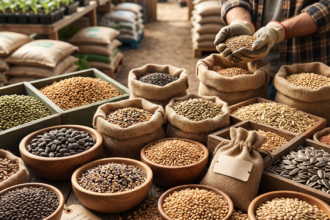
Common varieties include lentils, chickpeas, dry peas, kidney beans, black gram, green gram, and other dried legumes. Each variety has different culinary applications, nutritional characteristics, cooking requirements, and market demand.
Pulses are important in international food trade because they are used across different cuisines and food manufacturing industries. Their versatility makes them suitable for traditional meals, packaged food products, ready-to-cook mixes, soups, snacks, and plant-based food alternatives.
For importers and distributors, working with an experienced Pulses Supplier helps simplify procurement and maintain a consistent supply of products for different customer segments.
Major Types of Pulses Available for Commercial Markets
Different pulse varieties serve different consumer preferences and industrial requirements. Understanding these categories helps buyers select products according to their target markets.
1. Lentils
Lentils are widely consumed because they cook relatively quickly and provide protein, fibre, iron, and other essential nutrients. They are available in different colours and varieties, including red, brown, green, and black lentils. They are commonly used in soups, curries, salads, and ready-to-eat meals.
2. Chickpeas
Chickpeas are popular in Asian, Middle Eastern, Mediterranean, and international cuisines. They are used to prepare hummus, curries, roasted snacks, flour, and several processed food products. Their nutritional value and versatility make them an important commodity for wholesalers and food manufacturers.
3. Kidney Beans
Kidney beans are recognised for their distinctive shape, texture, and nutritional composition. They are frequently used in stews, salads, traditional dishes, and canned food products. Proper sorting, cleaning, and storage are essential to maintain their commercial quality.
4. Green Gram and Black Gram
Green gram and black gram are widely used in South Asian food preparations. Green gram is commonly consumed whole, split, or sprouted, while black gram is an important ingredient in traditional dishes and various food preparations.
5. Dry Peas
Dry peas are used in soups, snacks, flour production, and processed food manufacturing. They are valued for their protein content, storage stability, and suitability for different food applications.
Nutritional Benefits of Pulses for Everyday Consumption
Pulses are recognised as nutritious foods that contribute to balanced diets. Their nutritional composition makes them valuable for consumers looking for affordable and versatile plant-based food options.
Rich Source of Plant-Based Protein
Protein supports muscle maintenance, tissue development, and several essential functions within the body. Pulses provide plant-based protein, making them useful ingredients for vegetarian and vegan diets. They can also complement cereals and other foods to improve the overall nutritional quality of meals.
Supports Digestive Health
Many pulses contain dietary fibre, which supports healthy digestion and regular bowel movements. Fibre also contributes to satiety, helping people feel satisfied after meals. Including properly prepared pulses in a balanced diet can support overall digestive health.
Provides Essential Vitamins and Minerals
Pulses contain nutrients such as iron, folate, potassium, magnesium, and B-group vitamins. These nutrients contribute to several important bodily functions, including energy metabolism, normal cell development, and healthy muscle function.
Offers an Affordable Nutritional Choice
Compared with several animal-based protein sources, dried pulses can provide an economical way to increase protein and fibre intake. Their long shelf life also makes them convenient for households, restaurants, food service businesses, and institutional kitchens.
Key Benefits of Working with a Reliable Pulses Supplier
Selecting a dependable sourcing partner can make a significant difference to the purchasing operations of food businesses. Quality, product availability, communication, and supply consistency all contribute to successful procurement.
A professional Pulses Supplier can support buyers in several ways:
- Consistent Product Quality: Reliable sourcing and appropriate quality checks help businesses maintain uniform product standards across different shipments. Consistency is particularly important for food manufacturers and distributors supplying products under established specifications.
- Better Procurement Planning: Suppliers with organised sourcing and inventory processes can help buyers plan orders according to demand. This supports smoother purchasing operations and reduces the possibility of unexpected supply interruptions.
- Suitable Packaging Solutions: Appropriate packaging protects pulses from moisture, contamination, and physical damage during storage and transportation. Buyers can discuss packaging requirements according to their distribution channels and market expectations.
- Efficient International Trade: Export-oriented suppliers understand the importance of documentation, shipment coordination, and communication. These factors help importers manage purchasing and international logistics more effectively.
- Long-Term Business Relationships: A dependable supplier relationship encourages transparent communication, better coordination, and improved understanding of changing business requirements.
For businesses operating across international markets, these benefits contribute to stronger supply chain management and improved customer satisfaction.
Commercial Uses of Pulses Across Different Industries
Pulses are not limited to household cooking. They are used in several commercial sectors, making them an important commodity for agricultural traders, food processors, retailers, and food service providers.
Household Food Consumption
Households use pulses in everyday meals because they are affordable, nutritious, and suitable for different cooking styles. Lentils, beans, chickpeas, and peas are common ingredients in curries, soups, salads, stews, and traditional recipes.
Restaurants and Hospitality Businesses
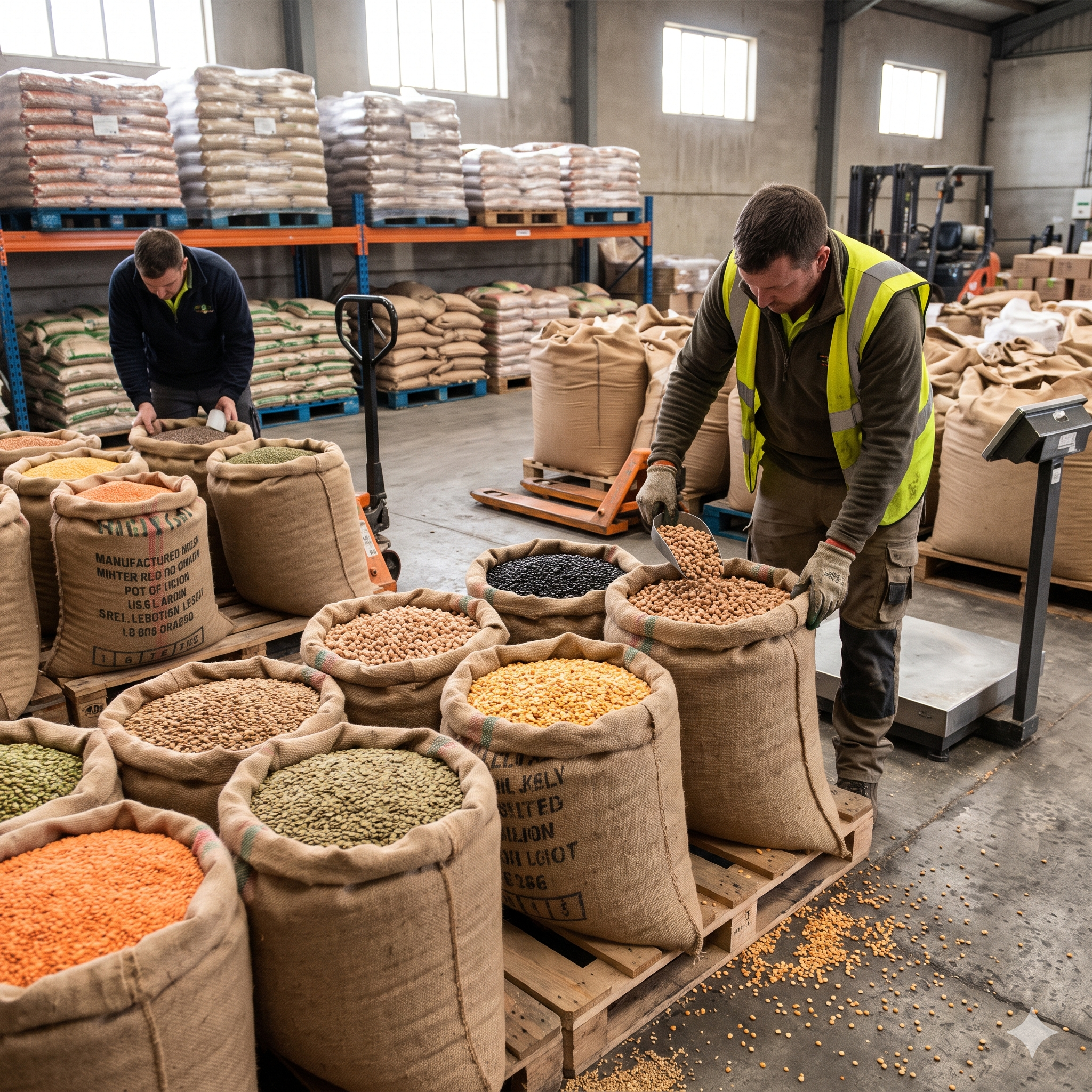
Restaurants, hotels, catering companies, and institutional kitchens purchase pulses in bulk to prepare meals for customers. Consistent quality and reliable availability are important because these businesses need ingredients that meet their daily operational requirements.
Food Processing and Manufacturing
Food manufacturers use pulses to produce packaged meals, canned foods, snacks, protein-rich ingredients, soups, and flour-based products. Processing companies require suitable varieties with consistent characteristics to maintain product quality and manufacturing efficiency.
Retail and Wholesale Distribution
Retailers and wholesalers distribute pulses through supermarkets, grocery stores, local markets, and bulk food outlets. Attractive packaging, appropriate product grading, and dependable replenishment help businesses serve different consumer segments.
Plant-Based Food Production
The growing interest in plant-based eating has increased the importance of pulses as food ingredients. Their protein content and versatility make them suitable for developing meat alternatives, protein blends, nutritional products, and other innovative food applications.
Important Quality Factors to Consider Before Purchasing Pulses
Product quality should remain a priority when purchasing pulses for commercial or personal use. Buyers should evaluate several factors before finalising an order.
- Cleanliness and Purity: Quality pulses should be properly cleaned and sorted to minimise dust, stones, foreign particles, and other unwanted materials. Clean products are easier to process, package, and distribute.
- Moisture Content: Appropriate moisture levels are important for maintaining storage stability. Excessive moisture can encourage mould development, deterioration, and quality problems during transportation and storage.
- Uniform Size and Appearance: Consistent size, colour, and appearance improve the overall presentation of products. These characteristics are particularly important for retail packaging and food processing applications.
- Packaging and Storage: Food-grade packaging should protect products against humidity, pests, and contamination. Storage areas should remain clean, dry, and properly ventilated.
- Quality Documentation: Buyers should review relevant specifications, inspection records, certificates, and export documentation according to the destination market and applicable regulations.
A responsible Pulses Supplier should communicate product specifications clearly and help buyers understand the quality standards associated with each order.
How to Choose the Right Pulses Supplier for Your Business
Finding a suitable supplier requires more than comparing product prices. Businesses should evaluate the supplier’s sourcing capabilities, communication, quality procedures, and ability to fulfil commercial requirements.
First, understand your purchasing needs. Determine the pulse varieties, required quantities, packaging preferences, delivery schedule, and destination market. Having clear specifications makes it easier to compare suppliers and request accurate quotations.
Second, evaluate the supplier’s product knowledge and sourcing arrangements. A professional trading partner should understand different pulse varieties, product specifications, handling requirements, and international trade procedures.
Third, discuss quality assurance before placing a bulk order. Ask about cleaning, grading, moisture control, inspection procedures, and available documentation. Where appropriate, request product samples for evaluation before confirming larger purchases.
Finally, consider communication and order management. A supplier should provide clear information about pricing, minimum order quantities, shipment arrangements, payment terms, and expected delivery timelines.
Choosing a Pulses Supplier through these practical considerations helps reduce procurement uncertainty and supports sustainable business relationships.
Why Choose Robust Madagascar for Agricultural Commodity Sourcing?
Robust Madagascar focuses on agricultural commodities and opportunities within international trading markets. For businesses exploring agricultural sourcing partnerships, understanding a company’s product range, commercial capabilities, and supply arrangements is an important starting point.
Robust Madagascar can be approached as a potential business contact for discussing agricultural commodity requirements and international sourcing opportunities. Buyers should communicate their specific pulse varieties, quantities, quality specifications, packaging expectations, and destination requirements to establish whether the company’s current offerings match their needs.
Several factors are important when evaluating a potential partnership:
- Agricultural Commodity Focus: Working with a business involved in agricultural commodities can help buyers explore sourcing opportunities across relevant product categories.
- International Market Orientation: Understanding international trade requirements is important for businesses purchasing agricultural products across borders.
- Requirement-Based Discussions: Clear communication about product specifications, quantities, and delivery expectations helps establish practical purchasing arrangements.
- Quality and Documentation: Buyers should confirm the applicable product inspection procedures, certificates, specifications, and export documentation before placing orders.
- Business Communication: Transparent discussions about availability, quotations, payment terms, and logistics contribute to smoother commercial relationships.
Robust Madagascar encourages interested buyers to explore its website and contact the company to discuss relevant agricultural sourcing requirements. Product availability, specifications, and export arrangements should always be confirmed directly before making purchasing decisions.
Challenges in the Global Pulses Supply Chain and How Businesses Can Prepare
The international pulses market can experience challenges associated with weather conditions, agricultural production, transportation costs, changing demand, and trade regulations. These factors may influence product availability, prices, and shipment schedules.
Businesses can manage these challenges through better procurement planning and supplier communication. Maintaining reasonable inventory levels, identifying alternative sourcing opportunities, and monitoring market conditions can reduce operational risks.
Importers should also understand the regulations applicable to their destination markets. Food safety requirements, phytosanitary documentation, labelling rules, and customs procedures may differ between countries. Preparing the necessary documentation before shipment helps prevent avoidable delays.
Building relationships with dependable trading partners is another important step. Regular communication about production conditions, expected availability, and shipment progress allows businesses to respond more effectively to changing market circumstances.
Conclusion
Pulses play an important role in global nutrition, agriculture, and commercial food distribution. Their affordability, nutritional value, versatility, and long shelf life make them valuable products for households, restaurants, wholesalers, retailers, and food processing companies.
Choosing the right Pulses Supplier requires careful attention to product quality, cleanliness, moisture levels, packaging, documentation, sourcing capabilities, and delivery arrangements. Businesses that evaluate these factors can develop stronger procurement strategies and maintain dependable supply chains.
Robust Madagascar offers an opportunity for interested businesses to explore agricultural commodity sourcing and discuss their specific trading requirements. By prioritising transparent communication, suitable product specifications, and responsible purchasing practices, buyers can work towards building reliable long-term commercial relationships in the global pulses market.