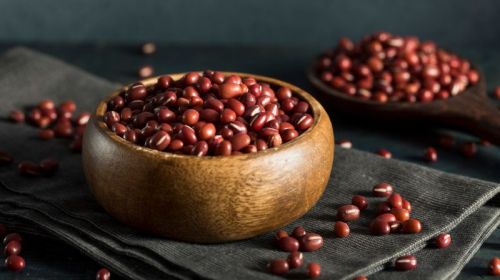
Adzuki beans have been valued for centuries for their nutritional richness, versatility, and cultural significance. Today, organic adzuki beans are gaining renewed global attention as consumers increasingly prioritize clean-label foods, traceable sourcing, and sustainable farming practices. Known for their small size, reddish-brown color, and mildly sweet flavor, these beans are widely used in both savory and sweet culinary traditions.
At Robust Madagascar, the journey of organic adzuki beans begins with a strong commitment to ethical agriculture, environmental stewardship, and quality excellence. Understanding where these beans come from and how they are cultivated naturally helps buyers and consumers appreciate their superior value, purity, and authenticity.
The Origin of Adzuki Beans: A Crop Rooted in Tradition
Adzuki beans are believed to have originated in East Asia, particularly in regions of China, Japan, and Korea, where they have been cultivated for thousands of years. Over time, their adaptability allowed them to spread to other parts of the world with suitable climates. Today, organic adzuki beans are grown in select regions where soil fertility, climate balance, and traditional farming knowledge come together harmoniously.
Madagascar has emerged as one of these ideal regions. With its rich biodiversity, mineral-rich soils, and favorable growing conditions, the island provides a natural environment where adzuki beans can thrive without heavy agricultural intervention. Robust Madagascar works closely with local farming communities to maintain traditional cultivation methods while meeting international organic standards.
Why Madagascar Is Ideal for Growing Organic Adzuki Beans
Madagascar’s agricultural landscape is uniquely suited for organic farming. The island benefits from a tropical climate with well-defined rainy and dry seasons, which is essential for healthy legume growth. The fertile soil, largely untouched by industrial agriculture, allows organic adzuki beans to grow naturally with minimal external inputs.
Robust Madagascar carefully selects growing regions where the beans can develop strong root systems and absorb nutrients organically from the soil. The absence of large-scale chemical farming in many rural areas further ensures that crops remain pure, clean, and compliant with global organic requirements.
Natural Farming Practices Used in Organic Adzuki Bean Cultivation
The cultivation of organic adzuki beans relies on time-tested natural farming techniques rather than synthetic fertilizers or pesticides. Farmers associated with Robust Madagascar follow crop rotation practices that maintain soil health and reduce pest pressure naturally. By alternating legumes with other crops, the soil remains nutrient-rich and biologically active.
Natural compost, green manure, and plant-based fertilizers are used to enrich the land. Instead of chemical pest control, farmers rely on biological solutions such as beneficial insects and natural repellents. These methods not only protect the beans but also preserve surrounding ecosystems, ensuring long-term agricultural sustainability.
Sowing, Growth, and Harvesting: A Careful Natural Process
The journey of organic adzuki beans begins with careful seed selection. Only high-quality, non-GMO seeds are chosen to ensure strong germination and uniform growth. Sowing typically takes place at the onset of the rainy season, allowing plants to benefit from natural moisture rather than artificial irrigation.
As the plants grow, farmers monitor fields manually, removing weeds by hand and ensuring optimal spacing for airflow and sunlight. Harvesting is done once the pods mature and dry naturally on the plant. At Robust Madagascar, harvesting is often carried out manually to prevent damage to the beans and maintain their quality, color, and nutritional integrity.
Post-Harvest Handling and Quality Preservation
After harvest, organic adzuki beans undergo careful post-harvest handling to maintain freshness and safety. Beans are sun-dried using traditional methods, which help preserve their natural flavor and nutritional profile. This step also reduces moisture levels naturally, minimizing the risk of spoilage.
Robust Madagascar emphasizes strict quality control during cleaning, sorting, and packaging. Each batch is checked to ensure it meets international export standards. The absence of chemical fumigation or artificial preservatives ensures that the beans remain genuinely organic from farm to final destination.
Nutritional Benefits of Organic Adzuki Beans
One of the main reasons organic adzuki beans are in high demand is their impressive nutritional profile. They are an excellent source of plant-based protein, dietary fiber, and essential minerals such as iron, magnesium, and potassium. These nutrients support digestive health, energy production, and overall wellness.
Additionally, adzuki beans contain natural antioxidants that help combat oxidative stress. Because they are grown organically, consumers avoid exposure to synthetic pesticide residues, making them a healthier and more environmentally responsible food choice.
Culinary Uses Across Global Markets
Organic adzuki beans are incredibly versatile and widely used across different cuisines. In Asian cooking, they are commonly prepared as sweet pastes for desserts, pastries, and traditional confections. In modern Western cuisine, they are increasingly used in salads, grain bowls, soups, and plant-based protein recipes.
Food manufacturers also value adzuki beans for use in gluten-free flours, snacks, and health foods. Robust Madagascar supplies beans that meet the consistency, taste, and safety standards required by both retail and industrial buyers worldwide.
Sustainability and Community Impact
Sustainability is at the core of how organic adzuki beans are grown and sourced. Robust Madagascar works directly with smallholder farmers, ensuring fair trade practices, stable income, and agricultural training. This partnership model empowers local communities while preserving traditional farming knowledge.
By promoting organic agriculture, the company helps protect soil fertility, water resources, and biodiversity. These practices not only benefit the environment but also ensure long-term supply reliability for global buyers seeking ethically sourced agricultural products.
Why Choose Robust Madagascar for Organic Adzuki Beans
Choosing the right supplier is critical in the organic food industry. Robust Madagascar stands out for its transparent sourcing, consistent quality, and strong ethical values. Every batch of organic adzuki beans is produced with traceability in mind, from farm-level cultivation to final export preparation.
The company’s deep understanding of Madagascar’s agricultural potential allows it to deliver beans that meet international organic certifications and buyer expectations. With a focus on reliability, sustainability, and long-term partnerships, Robust Madagascar continues to be a trusted name in the global organic commodity market.
Conclusion
The story of organic adzuki beans is one of tradition, nature, and responsible agriculture. From their historical roots to their modern cultivation in Madagascar, these beans represent a perfect balance between nutrition, sustainability, and quality. Grown naturally without harmful chemicals, they offer health benefits while supporting farming communities and environmental preservation.
With its commitment to ethical sourcing and organic excellence, Robust Madagascar plays a vital role in bringing high-quality adzuki beans to global markets. By choosing organically grown products from trusted suppliers, consumers and businesses alike contribute to a healthier planet and a more sustainable food system.