YouTube Channel: In Good Hands
🔗 Watch the full discussion here: https://www.youtube.com/watch?v=OVLXjQk_WiQ
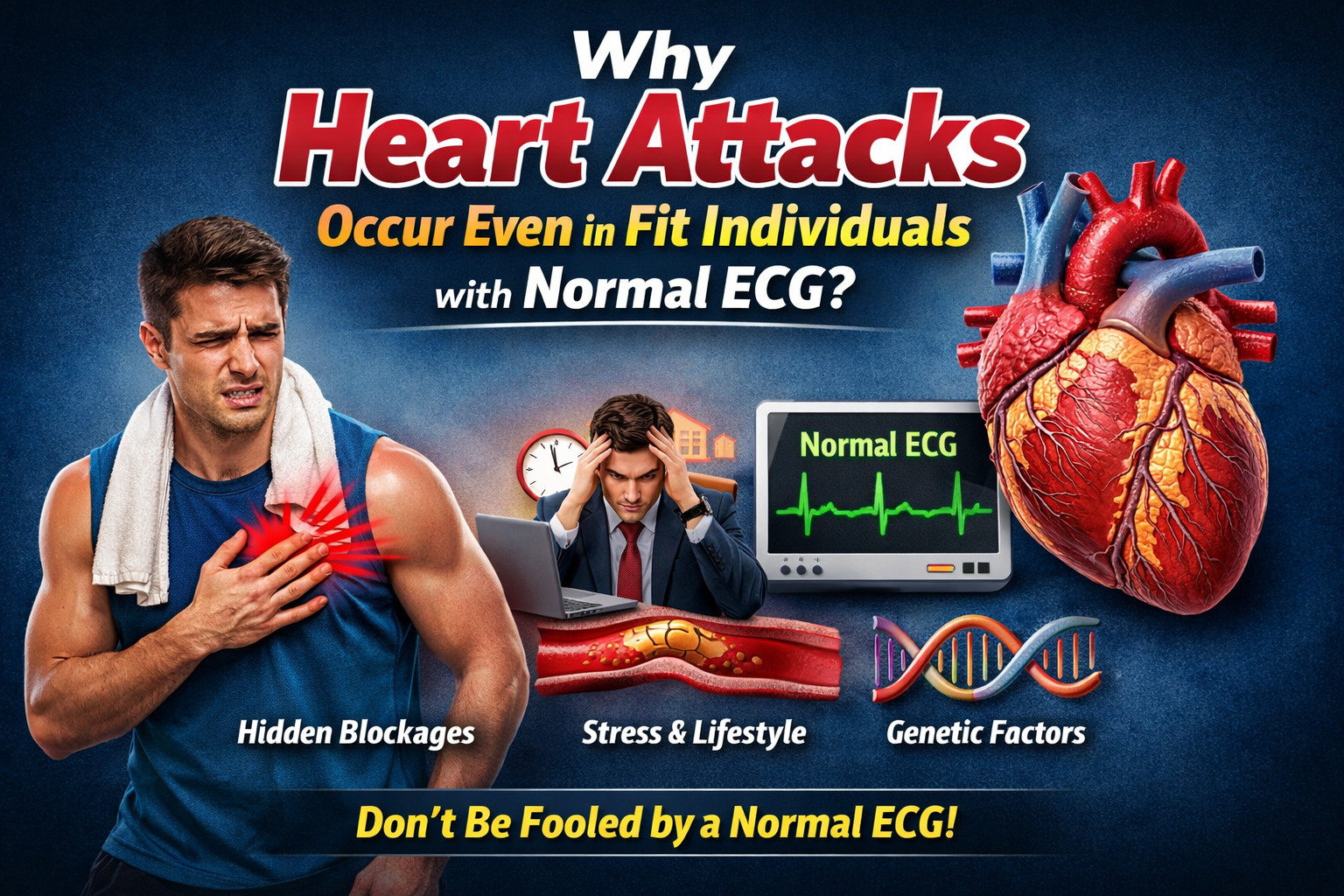
Heart attacks are often linked with obesity, poor lifestyle, or old age. However, many young and physically fit individuals in India are now experiencing sudden cardiac events. In this important discussion on the YouTube channel In Good Hands, cardiologist Dr. Krishan Yadav explains why this is happening and why a normal ECG or Echo test does not always mean your heart is completely safe.
Rising Heart Attacks in Young Indians
Dr. Krishan Yadav highlights the growing number of heart attack cases among young Indians. Major contributing factors include:
- Fast-changing lifestyle
- High stress levels
- Sedentary work culture
- Poor eating habits
- Genetic predisposition
Even people who exercise regularly and look healthy may still have silent blockages in their coronary arteries. External fitness does not always reflect internal artery health.
Why ECG and Echo Tests May Not Detect Blockages
One of the key points discussed in the video is the limitation of routine heart tests.
ECG (Electrocardiogram)
- Records the heart’s electrical activity.
- Confirms a major heart attack once it occurs.
- May not detect underlying blockages before an attack.
Echocardiography (Echo)
- Examines heart structure and pumping function.
- Does not directly identify coronary artery blockages unless damage has already happened.
This means a normal ECG report does not completely rule out heart disease. Many patients feel safe after a normal test result, but risk may still be present.
Dr. Yadav advises consulting a cardiologist who can recommend further evaluation based on symptoms and individual risk factors.
Understanding Chest Pain Correctly
The video also explains how to differentiate between cardiac and non-cardiac chest pain.
Non-Cardiac Chest Pain
- Pain at a small specific spot
- Pain that changes with movement
- Pain that increases on pressing the chest
These are usually muscular or digestive issues.
Cardiac Chest Pain
- Pressure or squeezing sensation
- Pain radiating to the arm, shoulder, neck, or jaw
- Sweating
- Shortness of breath
- Feeling of indigestion or heaviness
Many people mistake heart pain for gas or acidity, which can delay treatment and increase risk.
Important Tests Beyond ECG
For higher accuracy in detecting heart issues, doctors may suggest:
- TMT (Treadmill Test)
- Stress Echocardiography
- Stress Nuclear Test
These tests have better sensitivity in identifying coronary artery disease, especially in high-risk patients.
Heart Attack Prevention Tips
Dr. Yadav emphasizes prevention as the most powerful strategy.
1. Regular Exercise
Engage in 40–60 minutes of moderate-intensity exercise daily, such as brisk walking, cycling, or swimming.
2. Balanced Diet
- Eat more fruits and vegetables
- Include adequate protein
- Reduce fried foods and sweets
- Limit salt intake
3. Stress Management
Chronic stress significantly impacts heart health. Practice meditation, ensure proper sleep, and maintain work-life balance.
4. Monitor Risk Factors
Be aware of:
- Smoking
- Alcohol use
- High blood pressure
- Diabetes
- High cholesterol
- Family history
Regular check-ups for blood pressure, sugar, and cholesterol are essential.
The Golden Hour and CPR
The first hour after a heart attack, known as the Golden Hour, is critical. Immediate ECG, quick hospital access, and timely treatment can save heart muscle and life.
Dr. Krishan Yadav strongly encourages everyone to learn CPR, as early intervention by bystanders can make the difference between life and death.
Final Takeaway
Being physically fit does not guarantee healthy coronary arteries. A normal ECG should not create false confidence. Awareness, regular screening, lifestyle discipline, and timely medical consultation are key to preventing sudden cardiac events.
For the complete expert discussion, watch the full video on In Good Hands here:
👉 https://www.youtube.com/watch?v=OVLXjQk_WiQ
#ingoodhands #heartattack #normalecg #hearthealth #cardiology #hiddenblockage #youngheartattack #heartdiseaseawareness