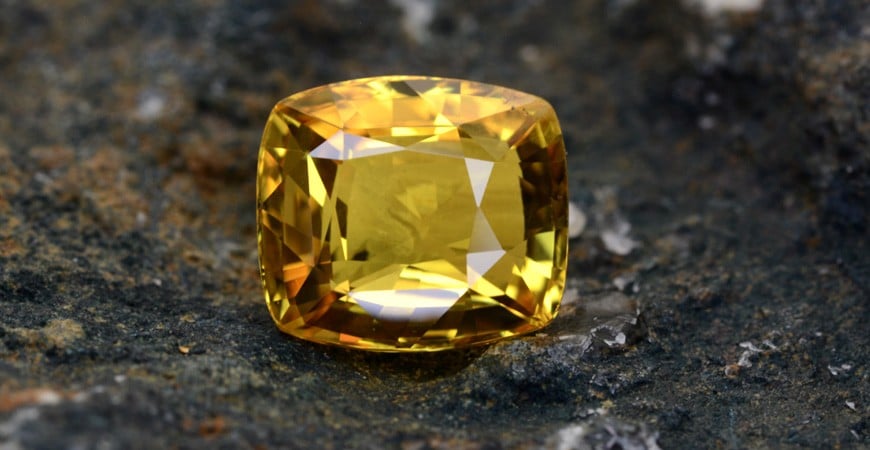
Few gemstones hold as much significance in Indian astrology and jewellery culture as the yellow sapphire stone. Known as “Pukhraj” in Hindi, this radiant gem has been treasured for centuries for its beauty, durability, and believed astrological powers. Whether you are exploring it for its ornamental appeal or its connection to planet Jupiter, understanding this gemstone in depth will help you make an informed and confident purchase.
In this guide, we will walk through what this gemstone is, its origins, astrological relevance, physical properties, benefits, and how to identify a genuine one. We will also share practical buying advice so that you invest in a piece that is both authentic and valuable.
What Is a Yellow Sapphire Stone?
A yellow sapphire stone is a variety of the mineral corundum, the same mineral family that gives us blue sapphires and rubies. Its warm yellow colour comes from trace amounts of iron within the crystal structure. The shade can range from a pale, soft lemon to a deep, saturated canary yellow, with the richer, more even tones generally considered more desirable.
Geologically, corundum forms deep within the earth under intense heat and pressure, which is why natural yellow sapphires are relatively rare and often mined in regions like Sri Lanka, Madagascar, Thailand, and parts of Africa. Sri Lankan stones, in particular, are widely regarded as among the finest sources of a high-quality stone due to their clarity and rich colour saturation.
With a hardness of 9 on the Mohs scale, this gemstone is one of the toughest gemstones available, second only to diamond. This makes it an excellent choice for daily wear jewellery such as rings and pendants, as it resists scratches and everyday wear remarkably well.
The Astrological Significance of Yellow Sapphire
In Vedic astrology, the yellow sapphire stone is closely associated with the planet Jupiter, known as “Guru” or “Brihaspati.” Jupiter is considered the planet of wisdom, wealth, education, and good fortune. As a result, wearing a well-suited Pukhraj is believed to strengthen the positive influence of Jupiter in a person’s horoscope.
Astrologers often recommend this gemstone to individuals who wish to attract prosperity, improve decision-making abilities, enhance career growth, or find success in higher education. It is also commonly suggested for those seeking marital harmony, since Jupiter plays an important role in matters of marriage in Vedic astrology.
That said, not everyone should wear this gemstone without guidance. Since gemstone recommendations depend on an individual’s birth chart, it is wise to consult a qualified astrologer before choosing this or any gemstone. A trusted platform like Gems Science can help connect buyers with properly certified stones so that the astrological and physical qualities align with what is recommended for their chart.
Key Benefits Associated with Yellow Sapphire
People who wear a yellow sapphire stone often do so with the hope of experiencing a range of benefits. While these benefits are rooted in traditional belief systems and should not replace medical or professional advice, they remain a significant reason for the gemstone’s popularity in India.
- Financial Growth: The yellow sapphire stone is closely linked to prosperity and abundance, and many wearers seek it out during career transitions or business ventures.
- Wisdom and Clarity: Since Jupiter governs knowledge and judgment, this gem is believed to sharpen thinking and improve confidence in decision-making.
- Marital Harmony: For those facing delays or difficulties in marriage, this gemstone is often suggested to strengthen Jupiter’s beneficial influence.
- Emotional Balance: The stone is thought to bring a sense of calm, reducing anxiety and encouraging optimism.
- Academic Success: Students and professionals pursuing higher studies sometimes wear this gemstone to enhance focus and learning ability.
Beyond astrology, yellow sapphire is simply a stunning gemstone. Its warm, sunny colour pairs beautifully with both gold and silver settings, making it a versatile choice for rings, pendants, and earrings.
How to Identify a Genuine Yellow Sapphire Stone
With rising demand, the market has seen an increase in synthetic and treated stones being sold as natural. Here are a few pointers to keep in mind before buying:
- Certification Matters: Always ask for a gemological certificate that verifies the stone is natural and discloses any treatments. Reputable dealers such as Gems Science provide certified stones, which gives buyers confidence in both authenticity and value.
- Colour Consistency: Genuine stones usually show a slightly uneven colour distribution when examined closely, while synthetic stones often display an unnaturally uniform hue.
- Inclusions: Natural gemstones typically contain minor inclusions, which are a normal part of their formation. A completely flawless yellow sapphire stone at a very low price should raise questions.
- Source Verification: Knowing the origin, whether Sri Lankan, Malagasy, or otherwise, can help buyers understand the pricing and quality expectations for a particular stone.
- Professional Testing: If in doubt, get the gem examined by a certified gemologist before making a purchase decision.
Buying from an established and transparent source reduces the risk of ending up with a treated or synthetic stone. This is where a specialised platform focused on sourcing and certification, like Gems Science, becomes valuable for buyers who want peace of mind along with quality.
Factors That Determine the Value of a Yellow Sapphire Stone
Just like other precious gemstones, the price of this gemstone depends on several factors working together:
- Colour: A vivid, evenly saturated canary yellow generally commands a higher price than pale or overly dark stones.
- Clarity: Stones with fewer visible inclusions are considered more valuable, though some natural inclusions are expected and acceptable.
- Cut: A well-proportioned cut enhances brilliance and can significantly affect the visual appeal of the stone.
- Carat Weight: Larger stones are rarer and therefore more expensive, though weight alone does not determine quality.
- Treatment: Untreated, natural stones are priced considerably higher than heat-treated ones, since heat treatment is a common industry practice used to improve colour and clarity.
- Origin: Stones from regions known for high-quality corundum, such as Sri Lanka, often carry a premium due to their reputation for superior colour and transparency.
Buyers looking for the best value should compare these factors carefully rather than focusing on price alone. A slightly smaller but well-cut and naturally coloured stone often holds more long-term value than a larger, poorly cut one.
Choosing the Right Yellow Sapphire Stone for You
Selecting the right gemstone involves more than just aesthetics. Here are a few practical tips for buyers in India:
- Consult an Astrologer First: Since the yellow sapphire stone is closely tied to Jupiter’s placement in your chart, professional guidance ensures you choose a stone suited to your specific needs.
- Set a Budget: Prices vary widely based on origin, treatment, and carat weight, so decide your budget range before you start browsing.
- Buy from a Trusted Source: Working with an established name like Gems Science ensures you receive a certified, ethically sourced gemstone rather than an unverified one.
- Check Certification: Always insist on a lab certificate detailing the stone’s authenticity, origin, and any treatments applied.
- Consider the Setting: Gold settings are traditionally preferred for yellow sapphire in astrological practice, though personal preference can guide the final choice.
Caring for Your Yellow Sapphire
Although the yellow sapphire stone is highly durable due to its hardness, proper care will keep it looking radiant for years:
- Clean it gently using a soft brush, mild soap, and lukewarm water.
- Avoid exposing the stone to harsh chemicals, perfumes, or cleaning agents.
- Store it separately from other jewellery to prevent scratches, since sapphires can scratch softer gemstones.
- Periodically have the setting checked by a jeweller to ensure the stone remains secure.
With minimal care, a well-maintained stone can remain a treasured piece for generations.
Conclusion
The yellow sapphire stone is far more than a beautiful gemstone; for many in India, it represents a meaningful connection to prosperity, wisdom, and positive planetary energy. Its rich history, striking appearance, and durability make it a worthwhile addition to any jewellery collection, whether chosen for astrological reasons or simply for its natural elegance.
Because authenticity plays such a crucial role in realising the true benefits of this gemstone, it is essential to buy from a reliable and transparent source. Platforms like Gems Science specialise in offering certified, ethically sourced gemstones, helping buyers confidently select a yellow sapphire stone that suits both their style and their astrological requirements. Before making your purchase, take the time to verify certification, understand pricing factors, and, where possible, seek expert astrological advice to ensure the stone you choose brings out its full potential.
Ultimately, a well-chosen Pukhraj is a long-term investment, both financially and, for many believers, spiritually. Taking a considered approach today will ensure that this timeless gem continues to serve you well for years to come.