Modern buildings are designed to deliver comfort, safety, and energy efficiency. However, even the best construction materials and advanced HVAC systems cannot perform effectively if unwanted air leaks are present. Small gaps around doors, windows, walls, ceilings, and service penetrations can significantly affect a building’s performance. This is why air tightness testing has become an essential part of quality construction across residential, commercial, and industrial projects.
As sustainability standards continue to rise, building owners, contractors, and developers are placing greater emphasis on reducing energy loss and improving indoor environmental quality. Cornerstone Middle East provides professional building performance evaluation services that help identify unwanted air leakage and ensure buildings comply with required performance standards. Through advanced equipment and experienced professionals, the company supports projects that demand reliable and accurate building assessments.
What Is Air Tightness Testing?
Air tightness testing is a professional procedure used to measure the amount of uncontrolled air leakage within a building envelope. The building envelope includes walls, roofs, windows, doors, floors, and all other components that separate the indoor environment from the outside.
The test determines how much air enters or escapes through unintended openings. Excessive leakage forces heating and cooling systems to work harder, increasing energy consumption and reducing occupant comfort. By identifying these leakage points, building owners can take corrective actions that improve overall building efficiency.
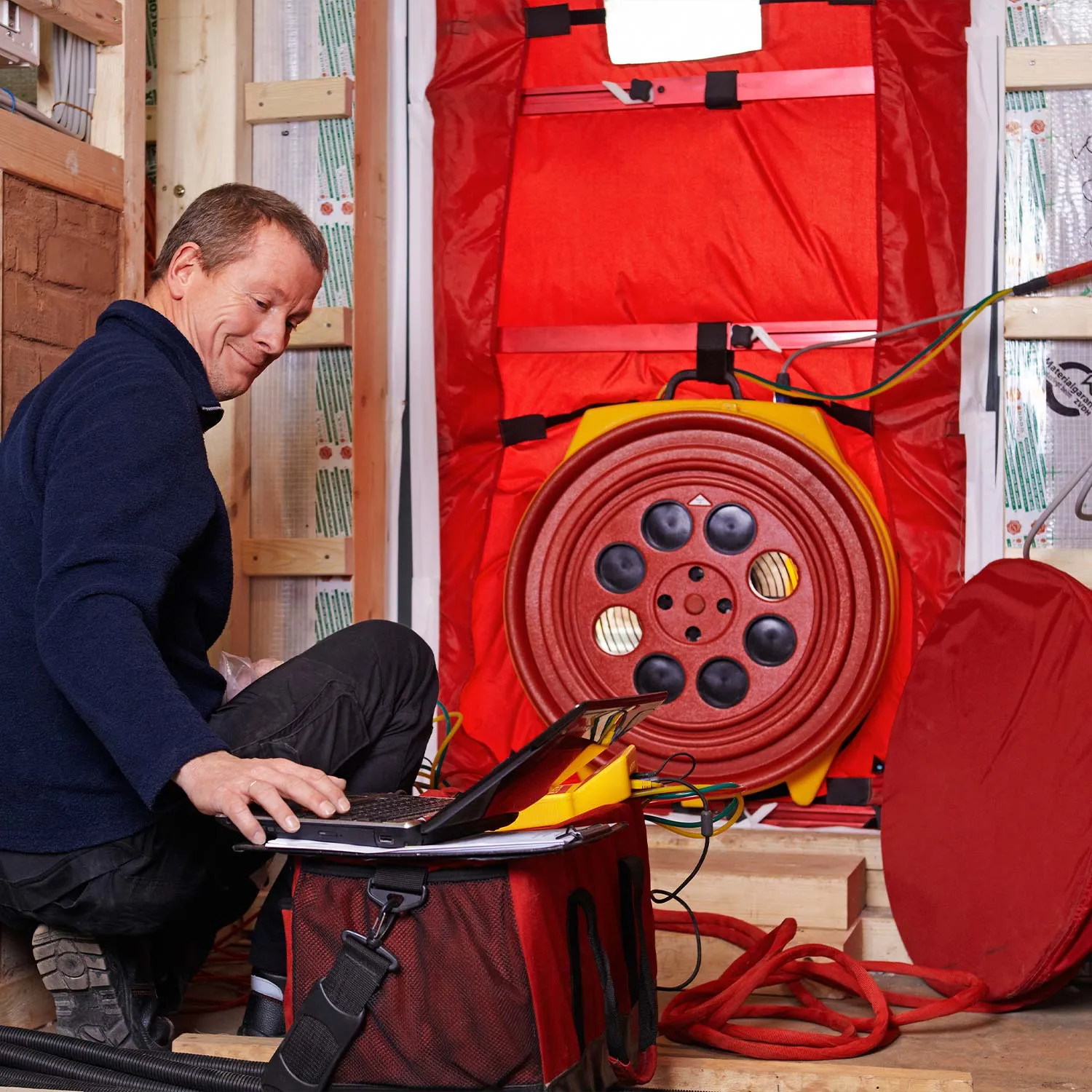
The process typically uses specialized equipment, including calibrated fans and pressure measurement devices, to create pressure differences between the inside and outside of the building. This allows inspectors to accurately calculate leakage rates and locate problem areas.
Why Building Airtightness Matters
A building that is properly sealed delivers multiple long-term benefits beyond energy savings. Even minor leaks can have a noticeable impact on operating costs and indoor conditions over time.
Some of the major advantages include:
- Reduced heating and cooling energy consumption
- Improved indoor comfort throughout the year
- Better temperature consistency between rooms
- Lower carbon emissions
- Enhanced HVAC system performance
- Reduced outside dust and pollutants entering the building
- Better moisture management
- Improved compliance with green building standards
These benefits explain why air tightness testing is becoming a standard requirement for many construction projects across the Middle East.
How Air Tightness Testing Is Performed
The testing procedure follows internationally accepted methodologies to ensure accurate and repeatable results. Qualified professionals carefully prepare the building before beginning the evaluation.
The typical process includes several important stages.
Building Preparation
All external doors and windows are closed while internal doors remain open to allow air movement throughout the building. Mechanical ventilation systems are temporarily isolated to avoid influencing the test results.
Installation of Testing Equipment
A calibrated blower door system is installed in one of the exterior door openings. Sensitive pressure gauges measure pressure differences while the fan either pressurizes or depressurizes the building.
Leakage Measurement
The equipment records how much air must be moved to maintain a specific pressure difference. This measurement provides an accurate indication of the building’s airtightness.
Leakage Detection
Inspectors often use additional tools such as smoke generators, thermal imaging cameras, or airflow detectors to locate specific leakage paths that require sealing.
Final Reporting
Once the evaluation is complete, a detailed report summarizes the findings, leakage rates, compliance status, and recommendations for improvement.
Cornerstone Middle East performs these assessments using advanced equipment and internationally recognized testing procedures to ensure dependable results.
Common Areas Where Air Leakage Occurs
Many buildings experience air leakage even when construction appears visually complete. Hidden gaps often remain unnoticed until professional evaluation is conducted.
Some of the most common leakage locations include:
- Window frames
- Door frames
- Roof junctions
- Wall-to-floor connections
- Electrical outlets
- Plumbing penetrations
- Mechanical duct openings
- Expansion joints
- Ceiling penetrations
- Curtain wall interfaces
Identifying these problem areas early helps reduce future maintenance costs and improves long-term building performance.
Industries That Benefit from Air Tightness Testing
Although residential buildings benefit significantly from airtight construction, many commercial and industrial sectors also require professional building envelope evaluation.
These include:
- Residential apartments
- Office buildings
- Hotels
- Hospitals
- Schools and universities
- Shopping malls
- Warehouses
- Data centres
- Government facilities
- Industrial buildings
Each facility has unique operational requirements, making accurate air tightness testing an important part of quality assurance during construction and commissioning.
Supporting Energy Efficiency Goals
Energy efficiency has become one of the primary objectives for modern building projects. Governments, developers, and property owners are investing heavily in sustainable construction practices that reduce environmental impact.
Uncontrolled air leakage directly affects building energy performance. Conditioned indoor air escapes through leaks while hot outdoor air enters the building, increasing the workload on cooling systems. In regions with high temperatures, this results in significantly higher electricity consumption.
Professional air tightness testing provides measurable data that allows project teams to verify building performance before occupancy. This supports energy-saving initiatives and helps buildings achieve improved operational efficiency throughout their lifecycle.
Improving Indoor Environmental Quality
Indoor environmental quality is closely linked to occupant health, comfort, and productivity. Air leakage can introduce dust, pollutants, allergens, humidity, and outdoor contaminants into occupied spaces.
When the building envelope is properly sealed, indoor air quality becomes easier to manage through controlled ventilation systems rather than uncontrolled leakage.
Benefits include:
- Cleaner indoor air
- Better humidity control
- Reduced condensation risks
- Improved thermal comfort
- Lower noise transmission from outdoors
- Healthier living and working environments
These improvements contribute to greater occupant satisfaction while supporting building sustainability objectives.
Compliance with Modern Building Standards
Many building projects today are designed to comply with international sustainability programs and local building regulations. Airtightness verification has become an important component of several building certification systems.
Professional air tightness testing provides documented evidence that construction quality meets specified performance targets. This documentation can support project approvals, commissioning activities, and sustainability certifications.
Cornerstone Middle East works closely with developers, consultants, contractors, and facility owners to perform accurate building performance evaluations that align with industry requirements and project specifications.
Why Choose Cornerstone Middle East
Selecting an experienced service provider is essential for obtaining reliable results. Accurate testing requires calibrated equipment, technical expertise, and a thorough understanding of international testing methodologies.
Cornerstone Middle East offers comprehensive building performance evaluation services supported by experienced engineers and advanced diagnostic technology. The company’s approach focuses on delivering accurate measurements, detailed reporting, and practical recommendations that help improve building efficiency.
Clients benefit from:
- Experienced technical professionals
- Internationally accepted testing procedures
- Advanced testing equipment
- Accurate reporting and analysis
- Reliable project support
- Solutions focused on long-term building performance
This commitment helps clients achieve higher construction quality while reducing operational costs over the lifetime of the building.
Conclusion
As buildings become more energy-efficient and environmentally responsible, evaluating the integrity of the building envelope has become increasingly important. Air leakage affects energy consumption, occupant comfort, indoor air quality, and overall building performance. Professional air tightness testing allows project teams to identify hidden leakage paths, verify construction quality, and implement effective improvements before problems become costly.
Whether for residential developments, commercial facilities, healthcare buildings, educational institutions, or industrial projects, air tightness testing provides valuable insights that contribute to sustainable, efficient, and high-performing buildings. With its expertise in building performance evaluation services, Cornerstone Middle East helps clients achieve dependable results through professional assessments that support quality construction, regulatory compliance, and long-term operational excellence.