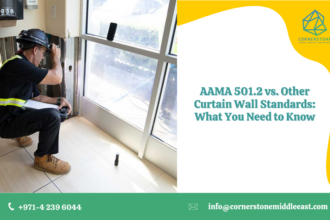
When it comes to constructing or maintaining buildings, safety, durability, and compliance are critical priorities. A building inspection company plays a central role in ensuring that these priorities are met. These companies provide a wide range of testing and inspection services that identify structural problems, verify material quality, and ensure buildings meet regulatory standards. From residential apartments to commercial complexes, their work safeguards both property owners and occupants.
Why Hiring a Building Inspection Company is Essential
Buildings are complex structures composed of numerous interconnected elements, including foundations, beams, walls, electrical systems, plumbing, and HVAC installations. Even minor flaws in one component can compromise the safety and longevity of the entire building. A building inspection company performs systematic assessments to detect such issues before they escalate. By hiring a professional inspection company, property owners can:
- Prevent structural failures.
- Ensure safety for residents and employees.
- Maintain property value over time.
- Comply with local building codes and regulations.
The role of a building inspection company extends beyond merely identifying problems—it also provides guidance on repair, maintenance, and quality improvement.
Core Services Provided by a Building Inspection Company
A building inspection company offers a variety of services tailored to different stages of a building’s life cycle. These services include structural inspections, material testing, fire safety checks, and environmental assessments. Let’s explore these in detail.
1. Structural Inspections
Structural inspections form the backbone of a building inspection company’s offerings. Experts examine foundations, load-bearing walls, beams, columns, and roofing systems for signs of damage, wear, or instability. They look for issues such as:
- Cracks in walls and foundations.
- Sagging or uneven floors.
- Corrosion in steel elements.
- Signs of water damage that may weaken structural components.
For new constructions, structural inspections confirm that the building is constructed according to design specifications and engineering standards. For older buildings, inspections identify degradation and recommend corrective measures to ensure ongoing safety.
2. Material Testing
The quality of materials used in construction directly impacts a building’s longevity. A building inspection company performs rigorous material testing, including:
- Concrete Testing: Checking strength, durability, and mix quality.
- Steel Testing: Ensuring proper grade and tensile strength.
- Soil Testing: Evaluating soil stability to prevent foundation issues.
- Masonry Testing: Verifying brick and block strength.
Material testing helps prevent failures caused by substandard or incompatible materials and ensures that all construction components meet required standards.
3. Non-Destructive Testing (NDT)
Non-destructive testing allows inspectors to evaluate materials and structures without causing damage. Techniques commonly used by a building inspection company include:
- Ultrasonic Testing: Detects internal cracks and voids in concrete and steel.
- Radiography (X-ray): Identifies hidden defects in structural components.
- Magnetic Particle Inspection: Finds surface and near-surface flaws in ferrous metals.
NDT provides detailed insights into a building’s structural integrity without disrupting its functionality, making it an essential service for both new and existing buildings.
4. Fire Safety Inspections
Fire hazards are a significant concern in any building. A building inspection company assesses:
- Fire alarm and detection systems.
- Sprinkler and suppression systems.
- Emergency exits and evacuation plans.
- Fire-resistant materials and construction methods.
These inspections ensure compliance with fire safety regulations and minimize risks for occupants.
5. Electrical and Plumbing System Inspections
Electrical and plumbing systems are critical for a building’s functionality. Inspectors evaluate:
- Wiring installation and grounding systems.
- Circuit breaker and panel compliance.
- Water supply, drainage, and pipe quality.
- Leak detection and water pressure assessment.
Identifying issues early in these systems prevents hazards such as electrical fires, flooding, or water damage.
6. Environmental and Hazard Testing
A building inspection company also ensures the indoor environment is safe. Services include:
- Asbestos Testing: Identifying harmful asbestos fibers in older buildings.
- Lead Testing: Detecting lead in paints or piping.
- Mold and Moisture Assessment: Preventing health hazards from damp areas.
- Air Quality Evaluation: Ensuring ventilation systems meet health standards.
Environmental testing protects the health of occupants and ensures compliance with environmental regulations.
Step-by-Step Process of a Building Inspection
The process followed by a building inspection company is systematic and thorough:
- Initial Visual Assessment: Inspectors perform a preliminary walk-through to identify visible issues.
- Detailed Testing and Measurements: Specialized equipment is used to check structural integrity, material quality, and system performance.
- Non-Destructive and Specialized Inspections: Techniques like ultrasonic testing, X-rays, and infrared thermography are employed for deeper analysis.
- Report Generation: The company produces a comprehensive report highlighting findings, risks, and recommended corrective measures.
- Follow-up Support: Many companies provide ongoing monitoring or support during repair and maintenance to ensure compliance with recommendations.
Advantages of Hiring a Professional Building Inspection Company
Choosing a professional building inspection company offers numerous benefits:
- Expertise and Experience: Trained professionals can identify subtle issues that may be missed by untrained personnel.
- Cost Efficiency: Early detection of structural or material problems helps reduce expensive repairs in the future.
- Legal and Regulatory Compliance: Ensures buildings meet local construction and safety codes.
- Enhanced Safety: Protects occupants from potential hazards related to structural failures, fire, or environmental risks.
- Peace of Mind: Property owners gain confidence knowing that their building is safe, reliable, and well-maintained.
How to Choose the Right Building Inspection Company
Not all building inspection companies provide the same level of service. Property owners should consider the following when selecting a company:
- Certifications and Accreditation: Confirm that the company is certified by relevant industry authorities.
- Range of Services: Ensure the company can handle all necessary inspections, including structural, material, fire, electrical, and environmental assessments.
- Experience and Track Record: Look for companies with proven expertise and positive client feedback.
- Transparent Reporting: Choose companies that provide clear, actionable reports rather than generic summaries.
- Use of Advanced Technology: Companies that employ modern testing equipment and software provide more accurate and reliable results.
Conclusion
A building inspection company is an essential partner in ensuring the safety, quality, and compliance of any building. Their work spans structural inspections, material testing, fire safety checks, and environmental assessments, helping property owners make informed decisions. By engaging a professional inspection company, developers and property managers can prevent costly repairs, enhance occupant safety, and maintain the long-term value of their investments.
With the growing complexity of modern buildings, the expertise of a building inspection company has become indispensable. Whether it’s a residential project, a commercial complex, or an industrial facility, comprehensive inspections and testing safeguard not only the structure but also the well-being of everyone who uses it.