Electrical systems are the backbone of every modern building, yet they are often ignored until something goes wrong. A fixed wire test is one of the most important preventive measures for maintaining electrical safety, operational reliability, and compliance in commercial, industrial, and residential properties. It is not just about ticking a compliance box — it is about identifying hidden risks before they turn into electrical faults, fire hazards, equipment failures, or costly downtime. According to Cornerstone Middle East, fixed wire testing is a detailed inspection process used to assess the safety, integrity, and functionality of electrical installations while helping building owners and facility teams stay compliant with relevant standards and utility requirements.
A fixed wire test focuses on the permanent electrical installation of a building — not just visible switches and sockets, but the hidden network of cables, circuits, distribution boards, protective devices, earthing systems, and connections that keep everything running. Over time, these systems are affected by wear, heat, load demand, environmental conditions, poor maintenance, and ageing components. What appears normal on the surface may hide insulation breakdown, loose terminations, overloaded circuits, or ineffective earthing. That is why a fixed wire test is considered essential for buildings that depend on continuous and safe electrical performance.
What Is a Fixed Wire Test?
A fixed wire test is a structured electrical inspection carried out on a building’s fixed electrical installation. It is often associated with an Electrical Installation Condition Report (EICR), which documents the condition of the electrical system and identifies any defects or areas of concern. The purpose of the inspection is to determine whether the electrical installation is safe for continued use, whether it complies with relevant standards, and whether any corrective actions are needed.
Unlike routine visual maintenance, a fixed wire test goes deeper into the system. It combines both visual inspection and instrument-based testing to verify the health of electrical circuits and equipment. This means electricians and engineers are not only checking what is visible, but also testing what cannot be seen with the naked eye. This is what makes the process highly valuable in reducing risk and improving long-term building safety.
Why a Fixed Wire Test Matters More Than Ever
Modern buildings carry far greater electrical demand than they did even a decade ago. Offices rely on IT equipment and data systems, retail spaces operate lighting and HVAC for long hours, industrial sites run heavy machinery, and residential towers support everything from lifts to fire alarm systems. As electrical loads increase, so does the stress placed on permanent wiring and protective devices.
A fixed wire test helps reveal whether the system is still capable of handling present operational requirements. It can expose overloaded circuits, poor cable insulation, ineffective bonding, or aging components that may fail unexpectedly. More importantly, it helps prevent dangerous incidents such as electrical shocks, short circuits, fire outbreaks, and unplanned shutdowns. This is why organizations that value asset performance and occupant safety make the fixed wire test part of their maintenance strategy rather than treating it as an afterthought.
What Is Included in a Fixed Wire Test?
A professional fixed wire test involves multiple stages to ensure that the full installation is assessed properly. The exact scope depends on the building type, age, and operational use, but the core testing process generally includes several critical areas.
Visual Inspection of Electrical Components
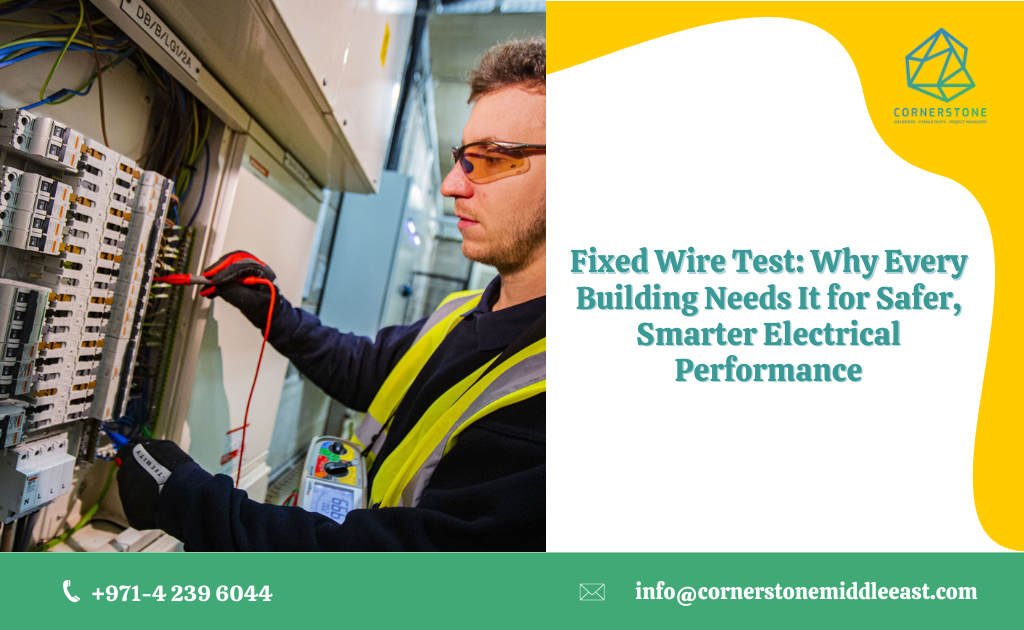
The first stage of a fixed wire test is a detailed visual inspection. Engineers check distribution boards, switchgear, sockets, isolators, accessories, cabling routes, and terminations for visible signs of wear, overheating, corrosion, damage, or unsafe modification. This stage often reveals warning signs that may otherwise go unnoticed during day-to-day operation.
Circuit Testing and Verification
Circuit testing is central to any fixed wire test. It confirms that wiring connections are correct, circuits are properly identified, and protective arrangements are functioning as intended. This is especially important in buildings that have undergone renovations, load expansion, or multiple contractor interventions over time. Incorrect wiring or undocumented changes can create serious operational and safety risks.
Earthing and Bonding Checks
An effective earthing and bonding system is vital for electrical safety. During a fixed wire test, engineers verify whether the earthing system is continuous, effective, and capable of safely managing fault currents. Inadequate earthing can significantly increase the risk of electric shock and equipment damage, especially in high-load or moisture-prone environments.
Insulation Resistance Testing
One of the most valuable parts of a fixed wire test is insulation resistance testing. This test checks whether the insulation around cables and components remains intact and reliable. Insulation degradation can happen slowly over time due to heat, age, vibration, dust, moisture, or chemical exposure. If left undetected, it can eventually lead to leakage currents, system faults, or fire hazards.
Functional and Load Testing
A complete fixed wire test also assesses how the system performs under operating conditions. Functional testing helps verify the operation of switches, breakers, protective devices, and related components. In many facilities, understanding performance under real or simulated load conditions is essential for ensuring system reliability and avoiding interruptions to operations.
Who Needs a Fixed Wire Test?
The simple answer is: almost every occupied or operational building. However, the urgency and frequency of a fixed wire test vary depending on the environment and risk level.
Commercial buildings need regular electrical verification to protect occupants, maintain insurance confidence, and support uninterrupted operations. Warehouses and industrial facilities often require more frequent testing due to heavy equipment, vibration, dust, and high-current systems. Hospitality, healthcare, and education environments also benefit greatly because electrical reliability directly affects comfort, service delivery, and public safety.
Even residential buildings and multi-unit properties should not overlook a fixed wire test, especially if the installation is older, the property has been renovated, or the load profile has changed over time. In all these cases, electrical risk grows silently — and that is exactly why proactive inspection matters.
How Often Should a Fixed Wire Test Be Carried Out?
There is no one-size-fits-all schedule, because the ideal interval depends on the property type, occupancy, load profile, environmental exposure, and regulatory expectations. However, Cornerstone notes that commercial properties are commonly tested every five years, while residential properties may be tested every ten years, with high-risk or industrial environments often requiring more frequent attention.
The best approach is not to rely on assumptions. If your building experiences high electrical demand, operational expansion, repeated faults, equipment trips, or ageing infrastructure, it may need a fixed wire test sooner than expected. Scheduled inspection should always be based on risk, not just routine.
Key Benefits of a Fixed Wire Test
The value of a fixed wire test goes far beyond technical reporting. It creates practical business, safety, and operational advantages that support both short-term protection and long-term asset management.
One of the biggest benefits is early fault detection. Electrical issues often begin small and hidden, but grow into expensive failures if ignored. Finding them early allows building owners to correct them before they affect people or operations.
Another major benefit is reduced fire and shock risk. Faulty wiring, degraded insulation, and poor earthing are all common contributors to electrical incidents. A fixed wire test helps identify and control these risks before they escalate.
There is also the advantage of improved operational continuity. Electrical failures can stop production, interrupt services, damage equipment, and create costly downtime. Regular inspection supports system reliability and helps reduce unexpected disruptions.
Finally, a fixed wire test supports compliance and documentation. For many organizations, maintaining inspection records is important not only for internal safety management, but also for audits, client expectations, insurers, and facility governance.
Why Professional Expertise Matters
Not all electrical inspections deliver the same value. A meaningful fixed wire test requires qualified professionals, calibrated equipment, methodical reporting, and an understanding of how electrical systems behave in real operating environments. A rushed checklist approach may miss the very issues that matter most.
This is where experienced providers such as Cornerstone Middle East add real value. Their service approach emphasizes comprehensive inspections, certified expertise, tailored testing procedures, and detailed reporting that clearly outlines findings, recommendations, and compliance status. The company also highlights adherence to internationally recognized standards such as BS 7671 and alignment with local utility requirements across the UAE and wider GCC.
A professional report should not only tell you what is wrong, but also help you understand what is urgent, what can be planned, and what steps will improve system resilience over time. That level of clarity is what turns inspection data into actionable building intelligence.
Fixed Wire Test as Part of a Smarter Maintenance Strategy
The most effective facilities do not treat a fixed wire test as a one-time event. Instead, they use it as part of a broader preventive maintenance strategy. When electrical inspection is integrated with routine maintenance, thermography, outlet verification, protective device checks, and commissioning support, the result is a much more reliable and predictable electrical environment.
This proactive mindset helps organizations move from reactive repairs to informed planning. Rather than waiting for faults to appear during critical operations, teams can schedule rectifications, prioritize upgrades, and budget for improvements based on actual system condition. That is not just safer — it is smarter asset management.
Conclusion
A fixed wire test is one of the most practical and important investments a building owner or facility manager can make. It protects people, supports compliance, reduces downtime, improves reliability, and reveals hidden electrical weaknesses before they become serious problems. In a world where buildings are more electrically dependent than ever, ignoring fixed wiring condition is a risk no responsible organization should take.
If your property has aging infrastructure, increasing electrical load, recurring faults, or simply overdue inspections, now is the right time to act. With a technically strong and compliance-focused partner like Cornerstone Middle East, a fixed wire test becomes more than an inspection — it becomes a step toward safer operations, better performance, and greater peace of mind.